
 History · The Roman journal
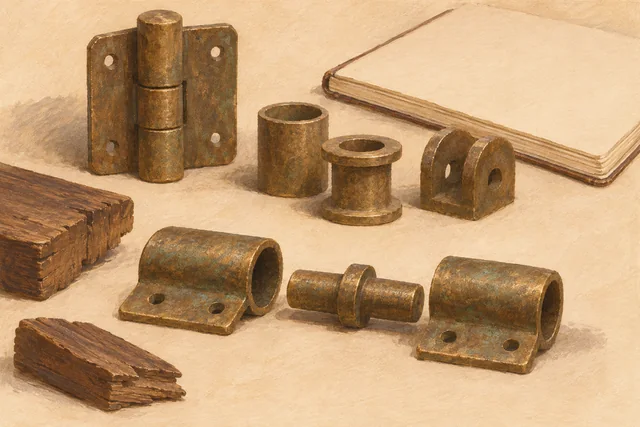
Roman furniture hinges: what can a small fitting reveal about movement?
Read Roman hinge fittings through museum records, separating their material and mechanism from assumptions about a lost door, chest or owner.
Ideas, stories and practical details for a richer Roman adventure.
History · The Roman journalRead Roman hinge fittings through museum records, separating their material and mechanism from assumptions about a lost door, chest or owner.
 History · The Roman journal
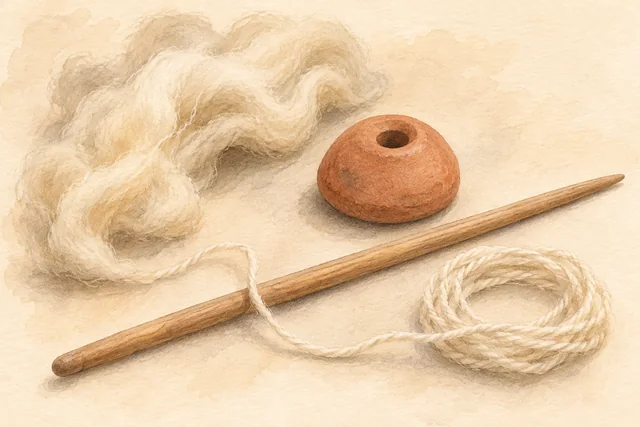
Compare museum records of Roman spindle whorls and learn to separate spinning equipment, materials and find context from assumptions about a worker or household.
 History · The Roman journal
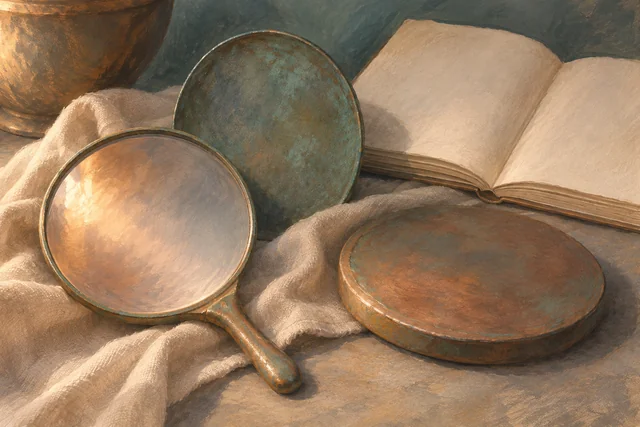
Learn to distinguish a Roman mirror’s reflective surface, protective lid and decoration through museum records, without inventing its owner or mistaking present condition for ancient appearance.
 History · The Roman journal
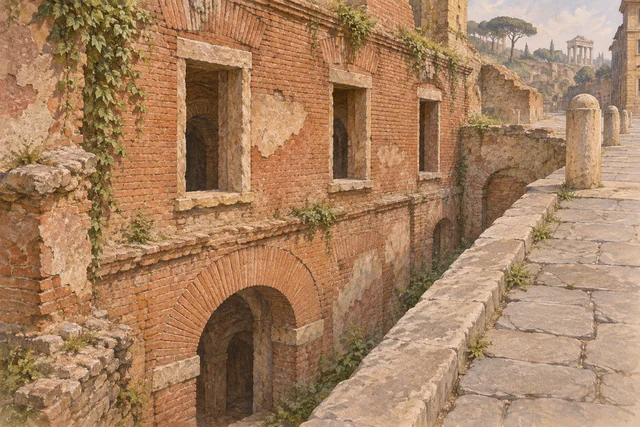
Read the Insula dell’Ara Coeli through surviving brickwork, street levels and later alterations, with the current closure clearly separated from a partial exterior view.
 History · The Roman journal
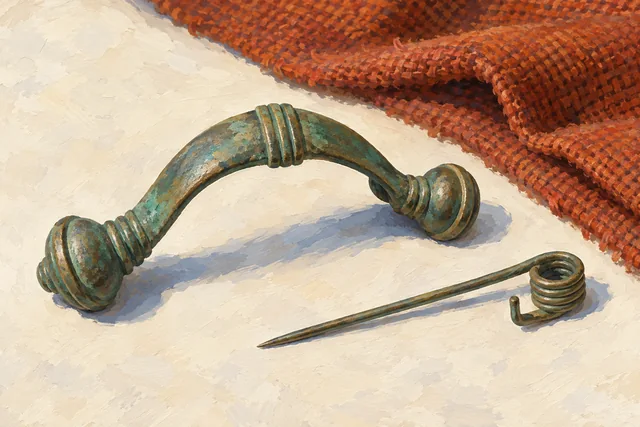
Compare two documented Roman brooches to read fastening mechanisms, dates and collection histories without inventing an ancient wearer.
 History · The Roman journal
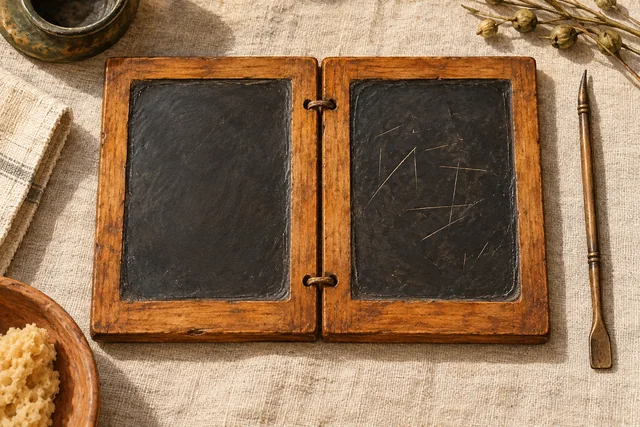
Discover how Roman wax tablets worked, why marks can survive in their wooden supports, and how they differ from ink writing on wood.
 History · The Roman journal
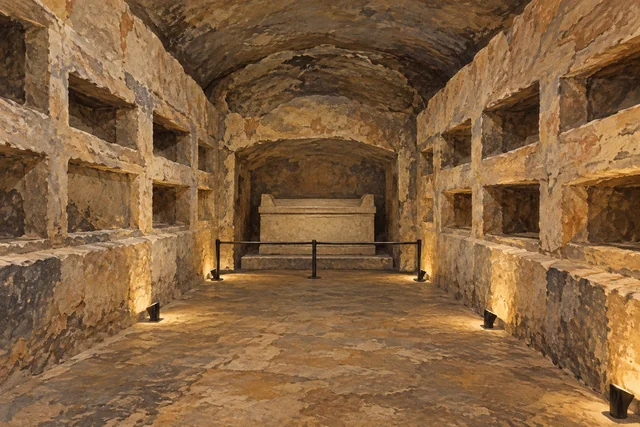
Plan the Tomb of the Scipios as a reserved archaeological visit, separating the tomb, Vatican-held originals and the currently closed adjacent columbarium.
 History · The Roman journal
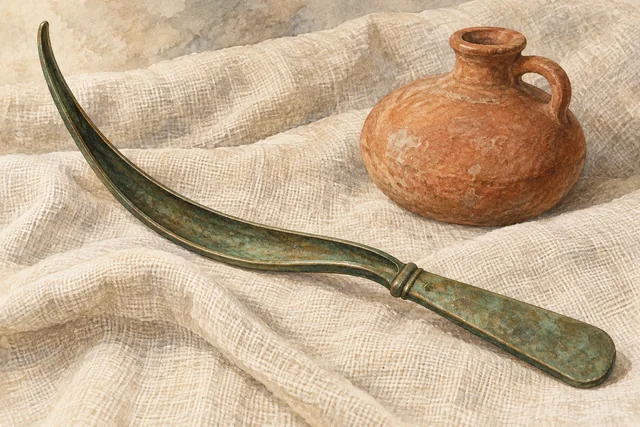
Look closely at Roman strigils through museum records, separating their documented use, manufacture and collecting history from assumptions about every bather.
 History · The Roman journal
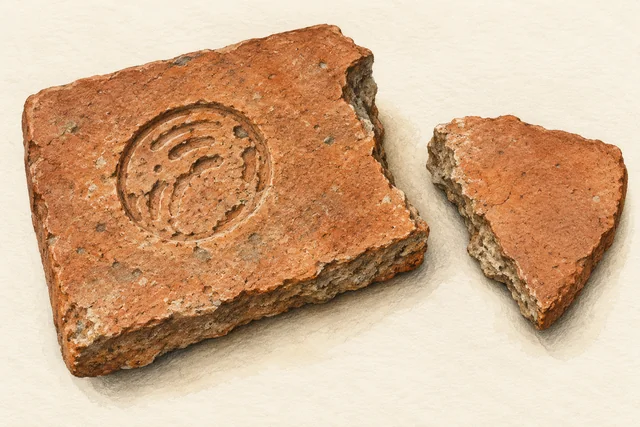
Read Roman brick stamps as evidence for manufacture and supply, while separating a dated object from the construction date of an entire building.
 History · The Roman journal
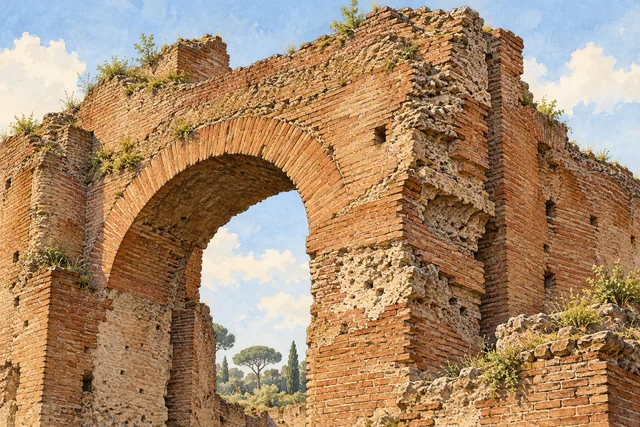
Understand the so-called Temple of Minerva Medica through its late-antique architecture, misleading name and limited special-opening access.
 History · The Roman journal
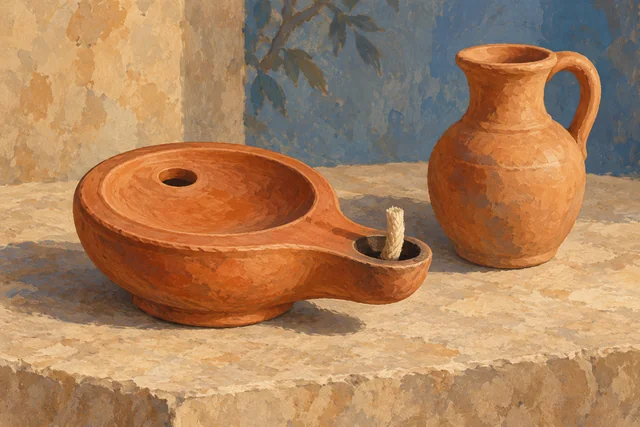
Read Roman lamps through their fuel reservoir, wick opening, materials and documented provenance, with museum examples that keep evidence distinct from imagination.
 History · The Roman journal
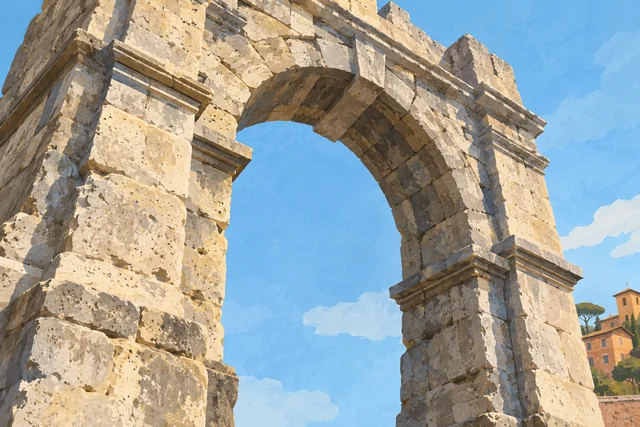
Read the Forum of Caesar through its long square, temple position and surviving fragments, while separating ancient phases, museum objects and present visitor access.
 History · The Roman journal
Understand Porta Maggiore as water infrastructure adapted into Rome’s defences, with inscriptions, changing fabric and practical advice for viewing a busy road junction.
 History · The Roman journal
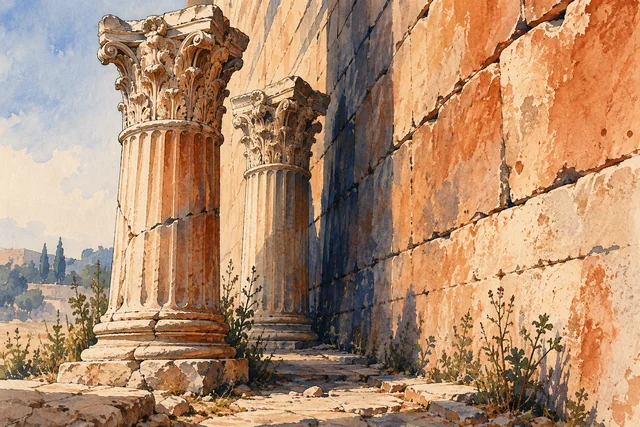
Understand the Forum of Nerva through its narrow setting, surviving Colonnacce and museum fragments, with separate checks for street views and archaeological entry.
 History · The Roman journal
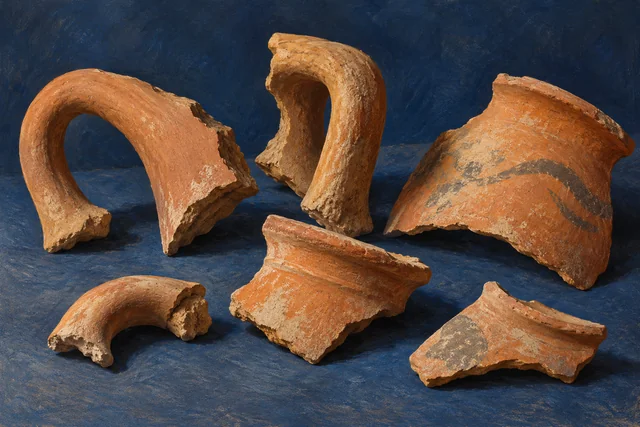
Read Monte Testaccio as evidence of ancient transport and disposal, with reservation requirements, terrain limits and strict protection of pottery fragments.
 History · The Roman journal
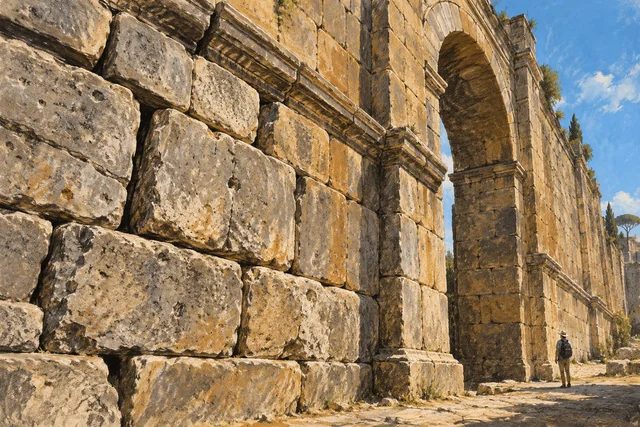
Read the Forum of Augustus through its wall toward the Suburra, distinguishing visible masonry, documented fire protection and reconstructed monumental space.
 History · The Roman journal
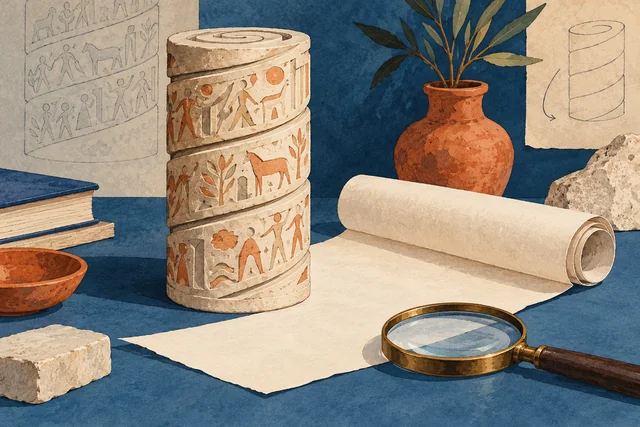
Approach Trajan’s Column through scale, repeated narrative actions and the official digital viewer, without confusing imperial imagery with an unedited record of war.
 History · The Roman journal
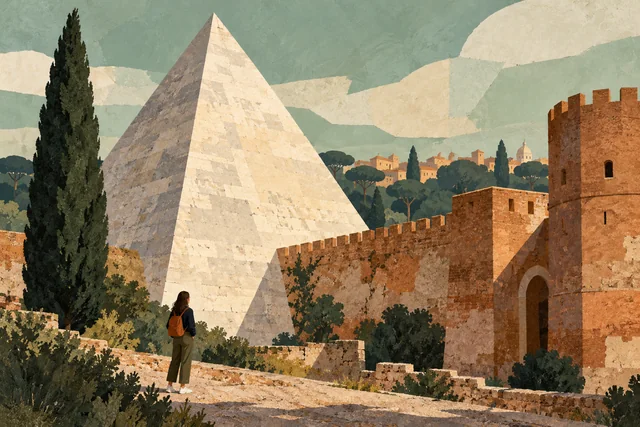
Read the Pyramid of Cestius through its inscription, materials and later city-wall setting, with a clear distinction between exterior viewing and special interior openings.
 History · The Roman journal
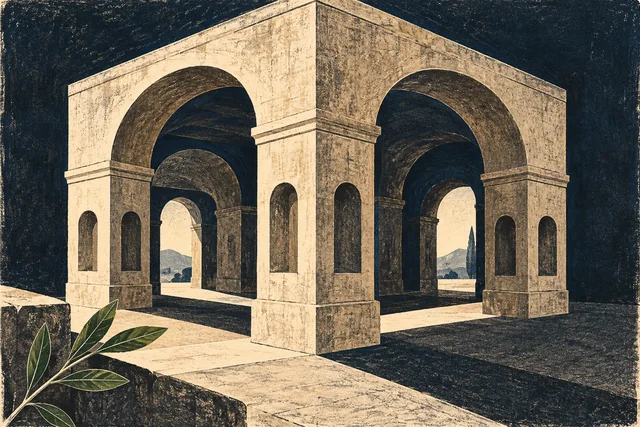
Look at the four-sided Arch of Janus in the Velabrum, distinguishing its surviving architecture, uncertain ancient identification and later reuse.
 History · The Roman journal
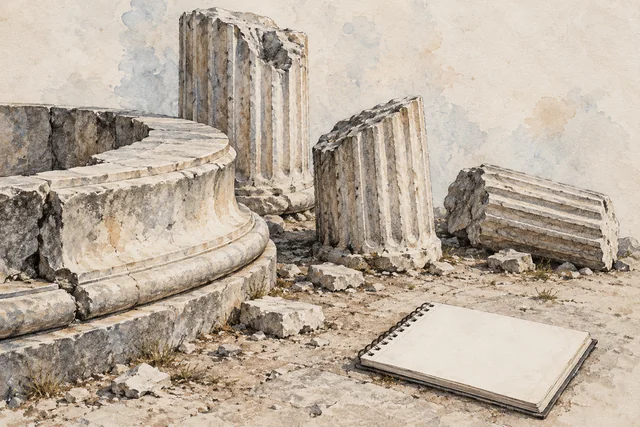
Read the Temple of Vesta through its curved podium, fragmentary columns and successive rebuilding, while distinguishing evidence, tradition and interpretation.
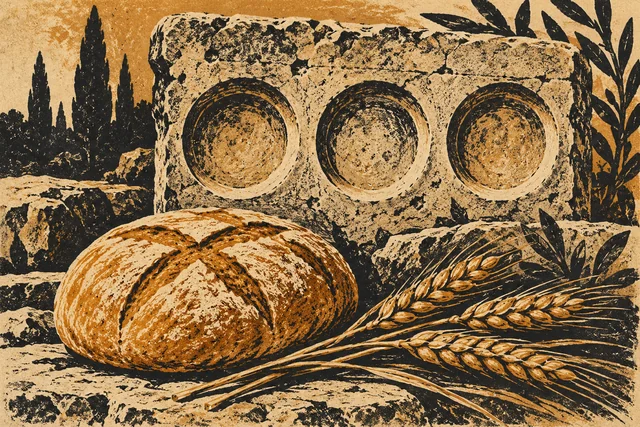 History · The Roman journal
Look at the Tomb of Eurysaces near Porta Maggiore through its inscription, breadmaking imagery and roadside setting, with careful limits on biographical inference.
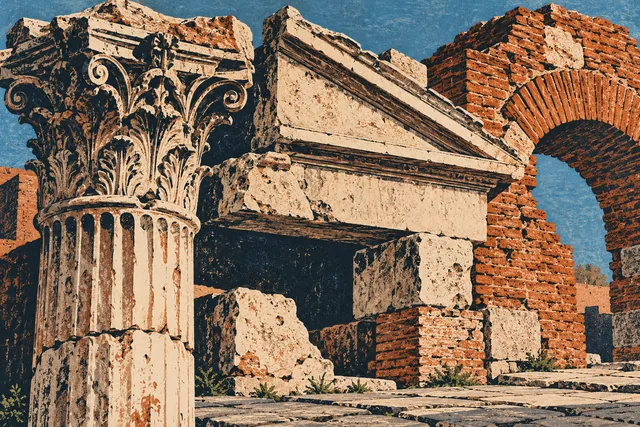 History · The Roman journal
Read the surviving entrance of the Portico of Octavia through columns, repair and reuse, without mistaking a fragment for a complete ancient complex.
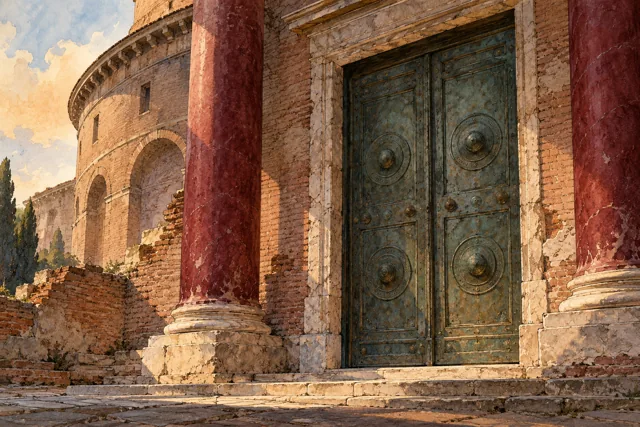 History · The Roman journal
Look at the Forum’s Temple of Romulus through its doorway, disputed dedication and medieval paintings, with current access checks.
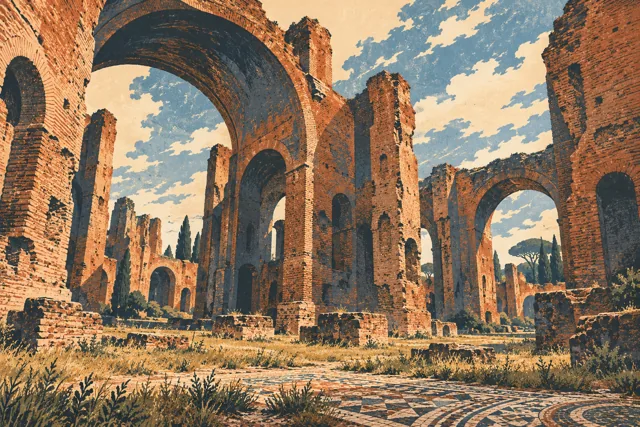 History · The Roman journal
Explore the Baths of Caracalla through scale, bathing spaces and surviving decoration, with seasonal opening and ticket checks.
 History · The Roman journal
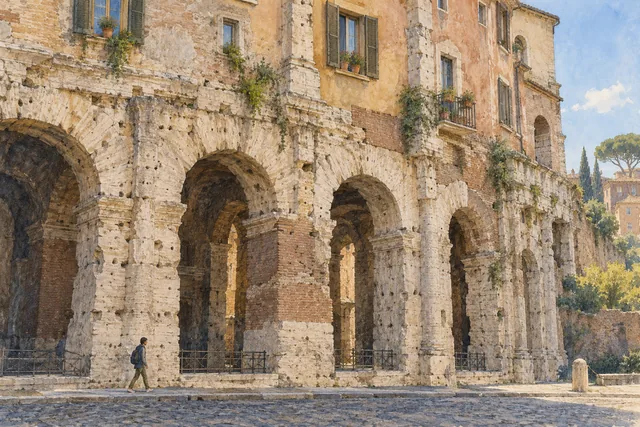
Read the Theatre of Marcellus as an ancient theatre with later lives, keeping exterior access, reconstruction and the Colosseum distinct.
 History · The Roman journal
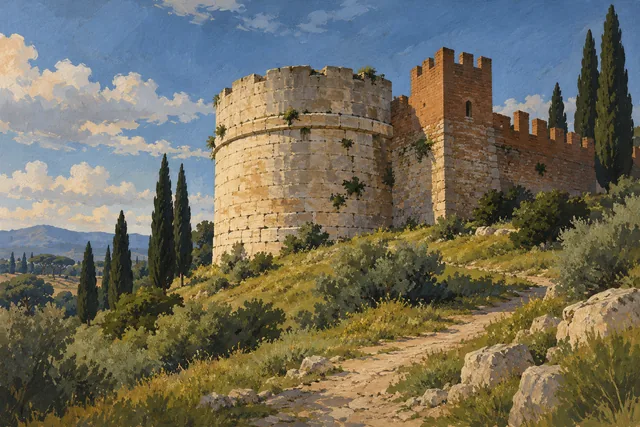
Explore the Tomb of Caecilia Metella and Castrum Caetani through material evidence, medieval reuse and realistic Appian Way planning.
 History · The Roman journal
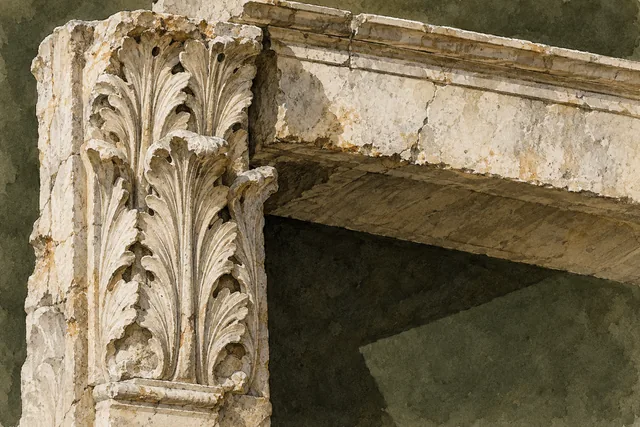
Look at the Argentarii monument’s lintel, carved surfaces and erased figures, while separating surviving evidence from explanations of Roman imperial memory.
 History · The Roman journal
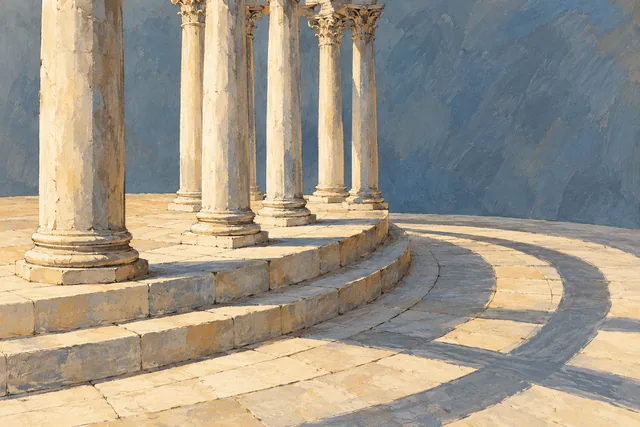
Use the Temple of Hercules Victor to compare circular plans, columns and later reuse, without mistaking a familiar nickname or modern appearance for ancient evidence.
 History · The Roman journal
Read the Temple of Divus Julius through its low surviving remains, Forum setting and commemorative purpose, keeping Caesar’s assassination site distinct.
 History · The Roman journal
Use the Temple of Portunus to distinguish free-standing and engaged columns, relate a temple to the river and separate exterior looking from interior access.
 History · The Roman journal
Read the Temple of Vespasian and Titus through its surviving columns, imperial dedication and later repair, without mistaking a fragment for a complete plan.
 History · The Roman journal
Use the Column of Phocas to explore the Forum’s later history, distinguish an honorary column from a temple and avoid treating one date as the end of a city.
 History · The Roman journal
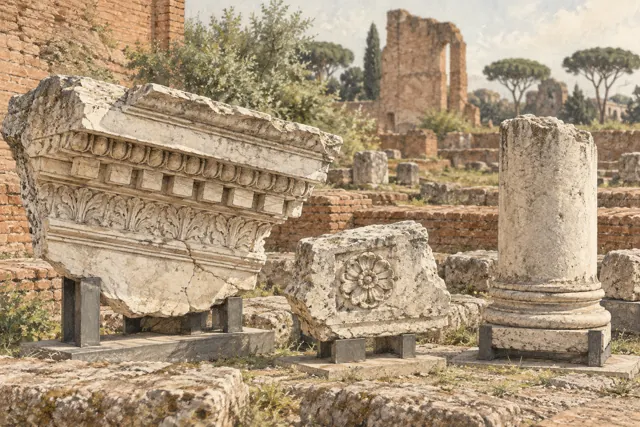
Read the Basilica Aemilia through surviving fragments, rebuilding and modern display, with a careful distinction between originals and casts.
 History · The Roman journal
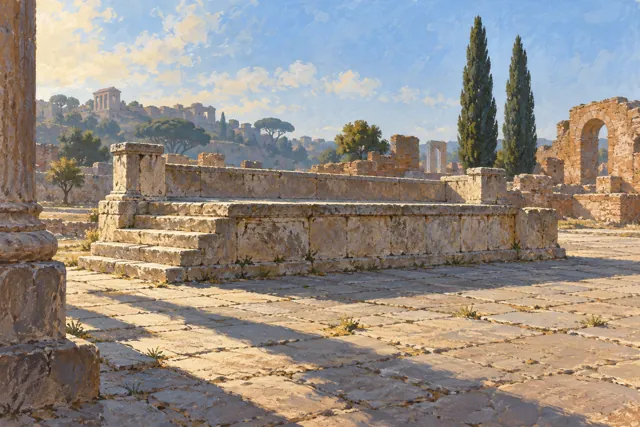
Look at the Forum’s Rostra through position, public address and surviving images, separating archaeological evidence from imagined ancient speeches.
 History · The Roman journal
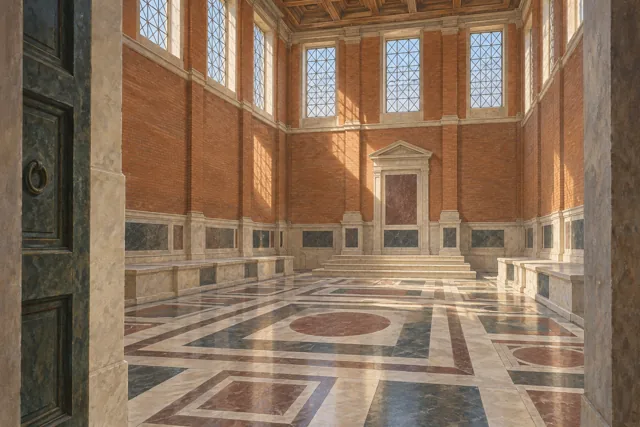
Read the Curia Julia through space, floor and later alterations, while distinguishing Senate history from the building visitors encounter today.
 History · The Roman journal
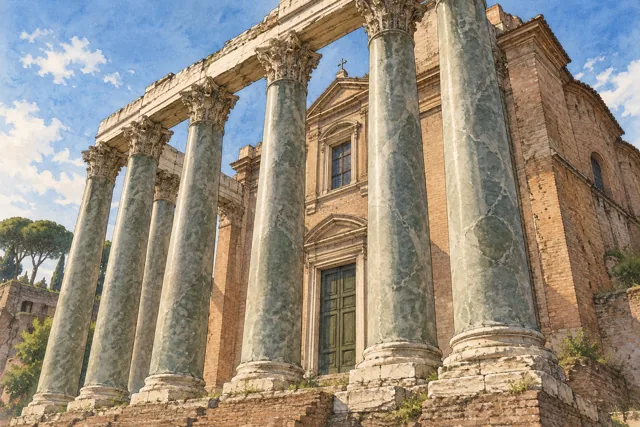
Explore architectural reuse at the Temple of Antoninus and Faustina through columns, inscription and changing ground levels, without assuming church access.
 History · The Roman journal
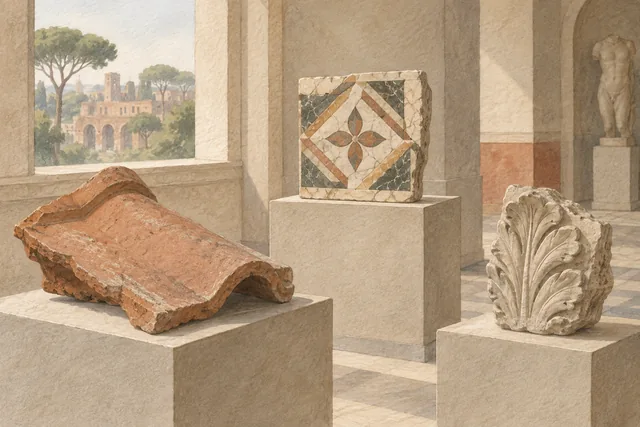
Use the Palatine Museum to connect fragments, excavation evidence and the hill outside, with a current ground-floor-only access notice.
 History · The Roman journal
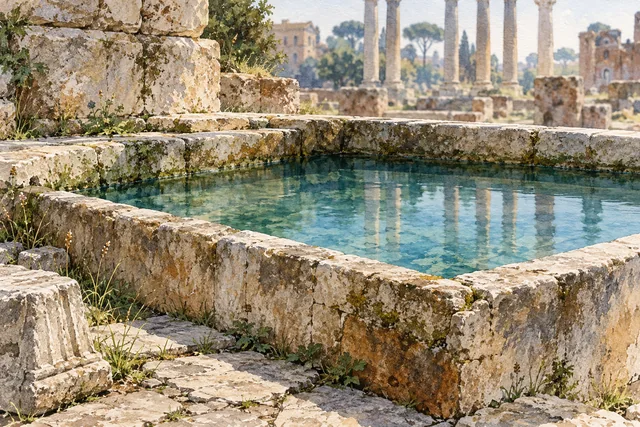
Look at the Lacus Juturnae through water, sacred setting and archaeological evidence, without confusing Roman tradition with a literal reconstruction.
 History · The Roman journal
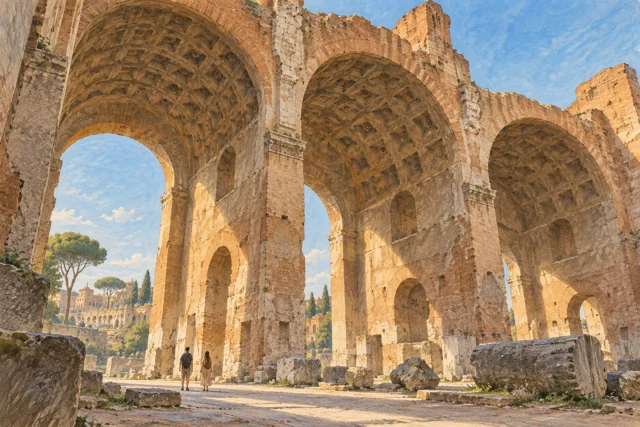
Look beyond the scale of the Basilica of Maxentius to understand its surviving vaults, missing spaces and place in a thoughtful Roman Forum visit.
 History · The Roman journal
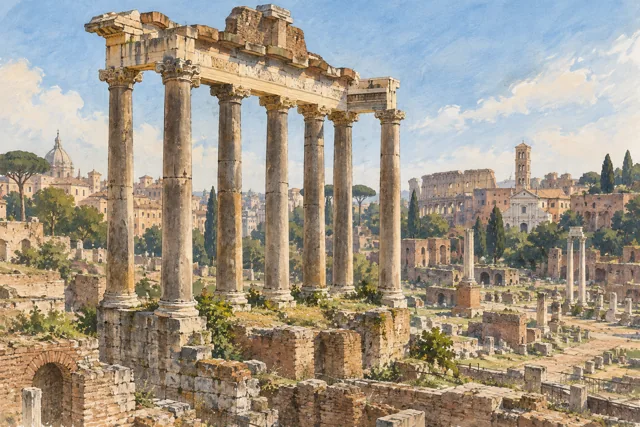
Read the Temple of Saturn as both a sacred monument and a civic landmark, with practical ways to notice its columns, inscription and Forum setting.
 History · The Roman journal
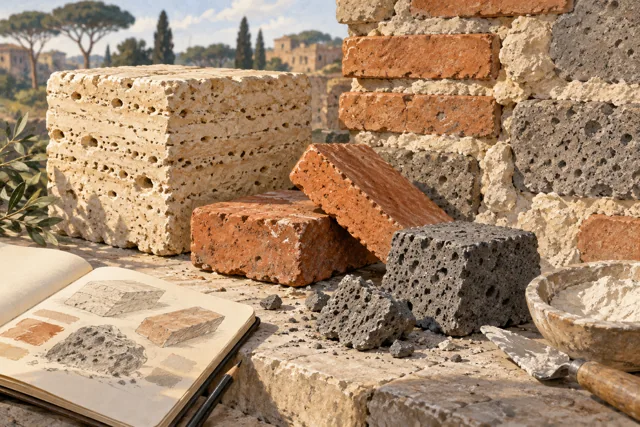
Learn to look at travertine, brick, mortar and other materials around the Colosseum, distinguishing surfaces, structure and later repairs.
 History · The Roman journal
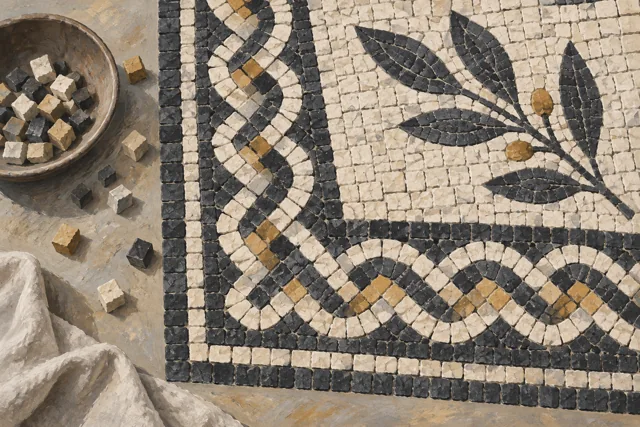
Read a Roman mosaic through its borders, scale, materials and original setting, with a thoughtful museum pairing after an archaeological visit.
 History · The Roman journal
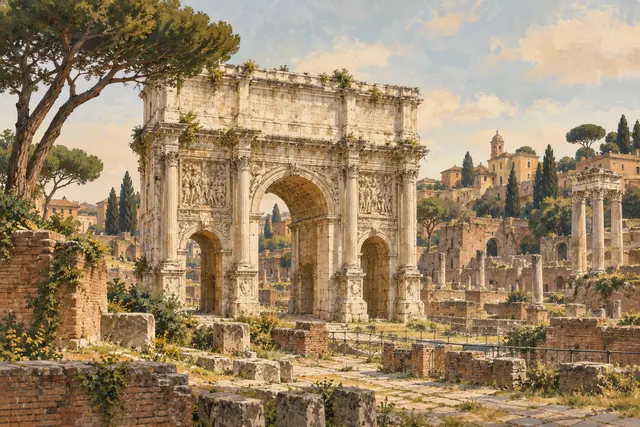
Read the Arch of Septimius Severus through its three openings, military reliefs and altered inscription, with a focused approach to your Roman Forum visit.
 History · The Roman journal
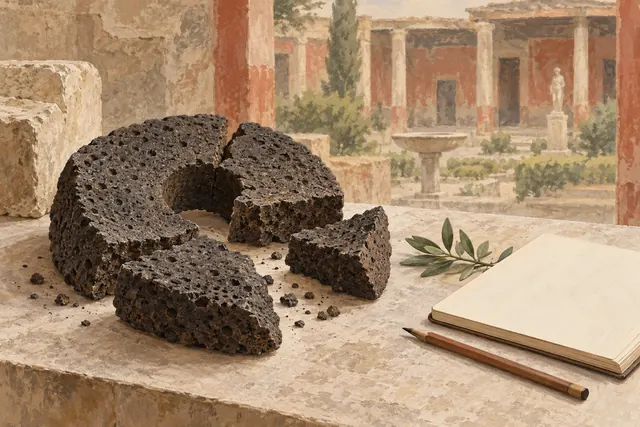
Use the House of the Vestals to distinguish surviving evidence from interpretation, with a closer look at excavation history and the debated mill room.
 History · The Roman journal
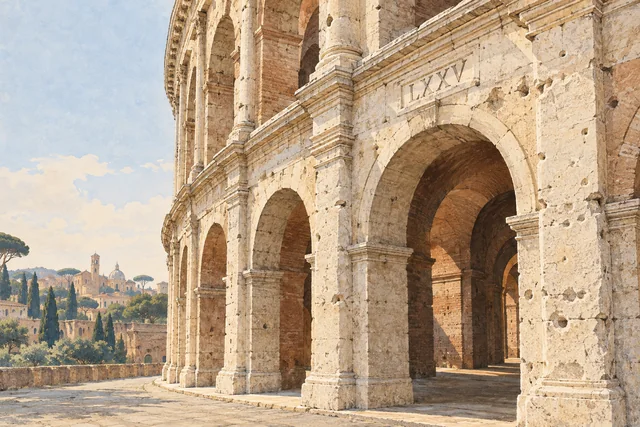
Understand the Colosseum’s numbered entrances, spectator routes and social hierarchy, then use that knowledge to read the building on your visit.
 History · The Roman journal
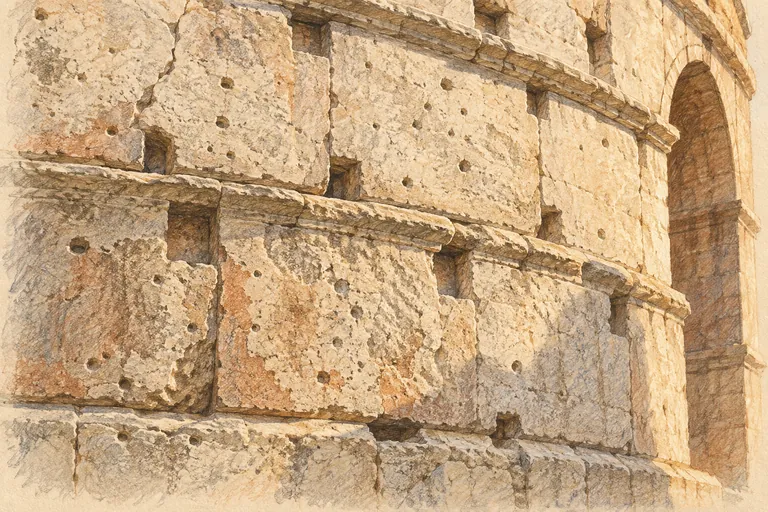
Learn how removed metal clamps explain many Colosseum wall cavities, and how to distinguish that evidence from other marks during a careful visit.
 History · The Roman journal
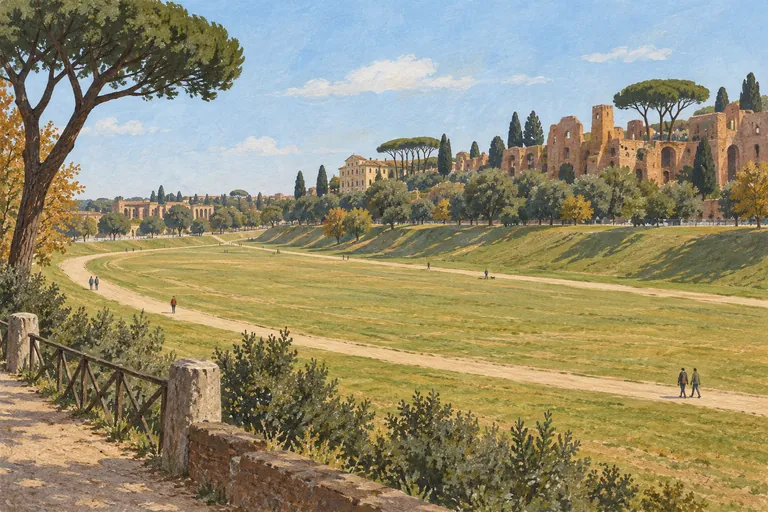
Read the Circus Maximus through its valley, racing scale and surviving archaeology, with a practical distinction between an outdoor pause and a ticketed visit.
 History · The Roman journal
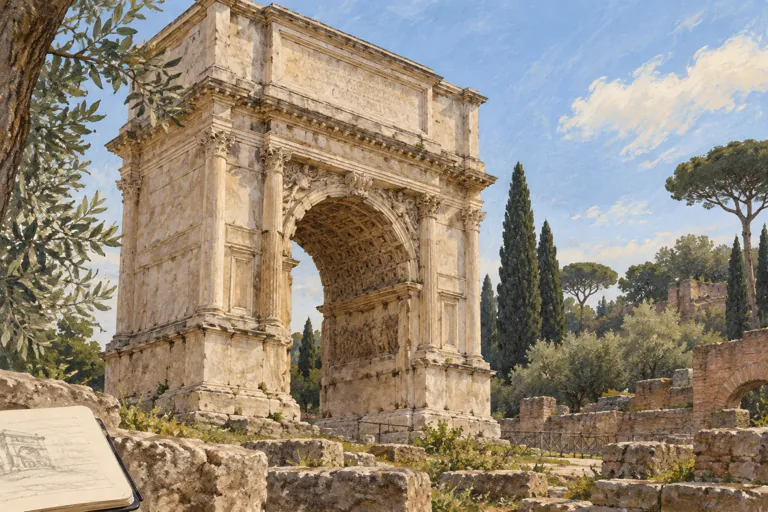
Read the Arch of Titus through its inscription, reliefs and later restoration, while keeping imperial celebration distinct from the history of conquest.
 History · The Roman journal
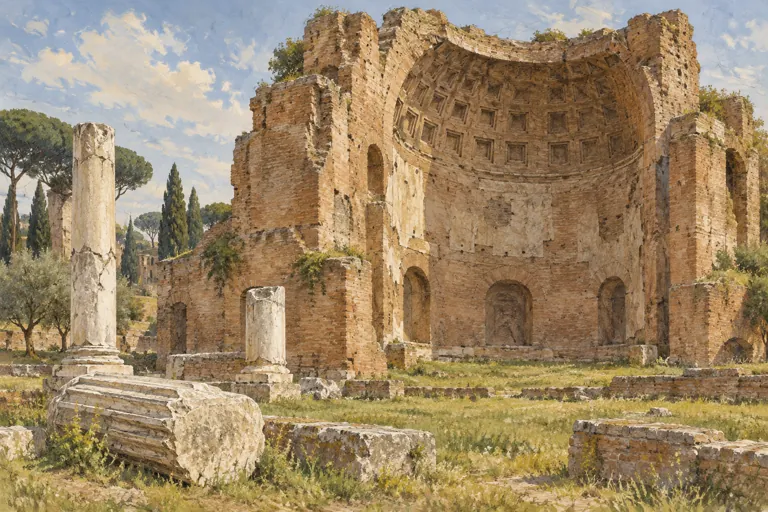
Understand the Temple of Venus and Rome through its opposite-facing sanctuaries, surviving apse, materials and layers of restoration.
 History · The Roman journal
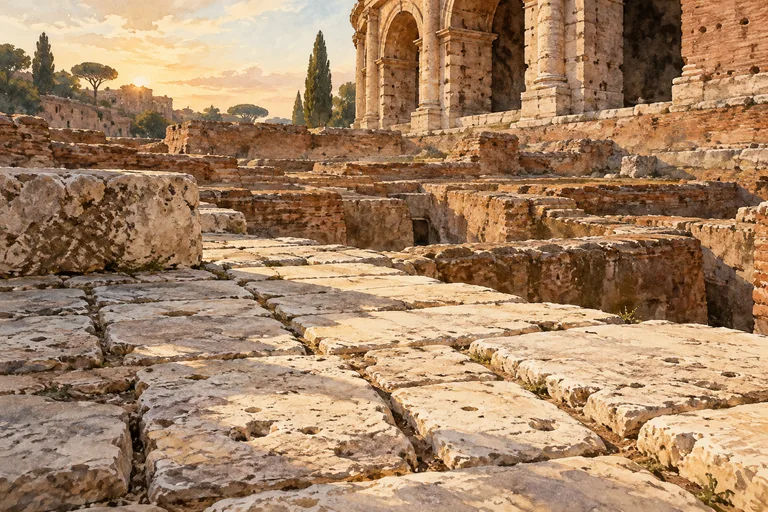
Read the Colosseum’s southern paving as evidence of lost corridors, reused stone and modern conservation, with a focused looking exercise.
 History · The Roman journal
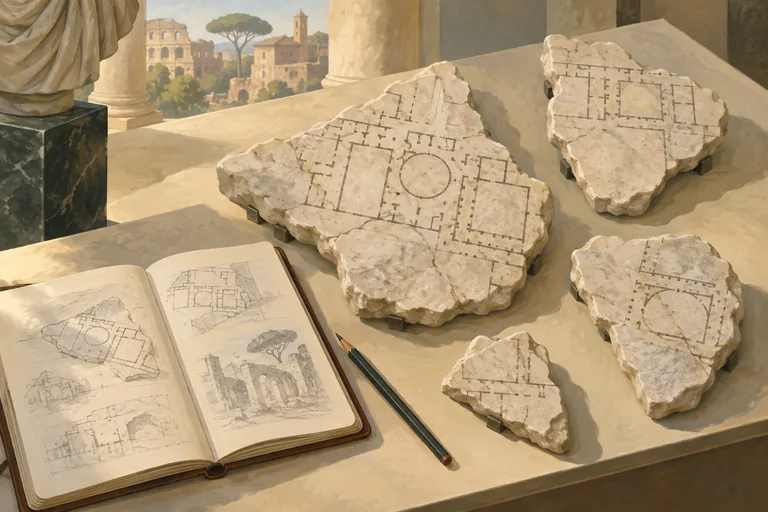
Explore Rome’s fragmentary marble city plan at the Forma Urbis museum, distinguishing ancient evidence from the later map beneath the display.
 History · The Roman journal
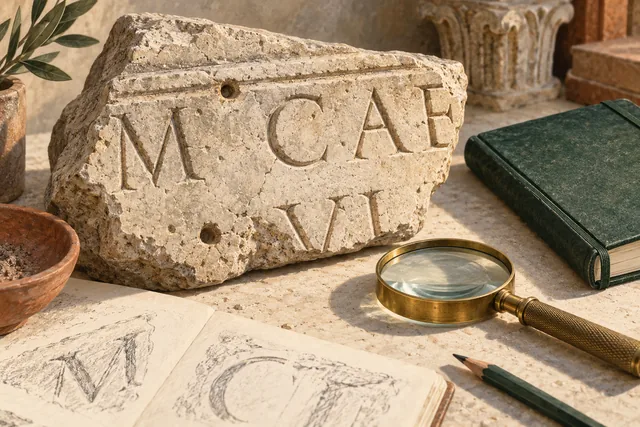
Learn to notice names, letterforms, repairs and missing evidence in Roman inscriptions, using the Colosseum’s Lampadius inscription as a starting point.
 History · The Roman journal
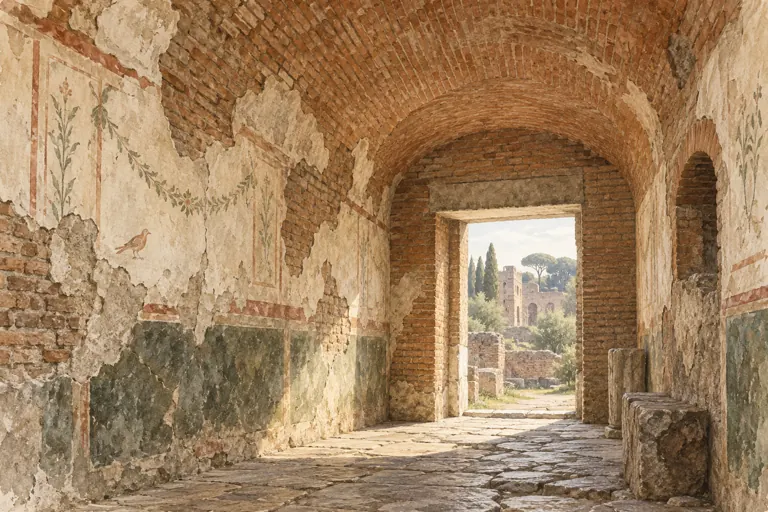
Explore a less familiar side of the Colosseum through the Passage of Commodus, its changing decoration and the practical choices behind a visit.
 History · The Roman journal
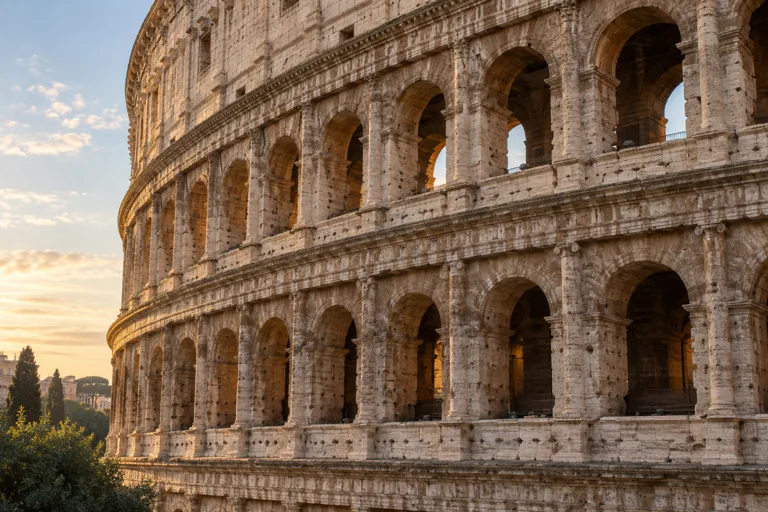
Read the amphitheatre as a public statement and a changing structure, with a concise historical starting point for your visit.
 History · The Roman journal
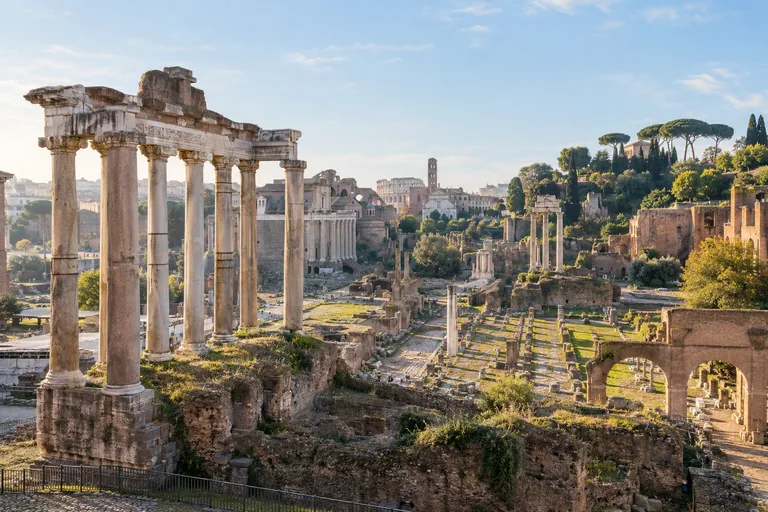
A beginner’s way to read the Forum through movement, public life, building types, and a few deliberate stops.
 History · The Roman journal
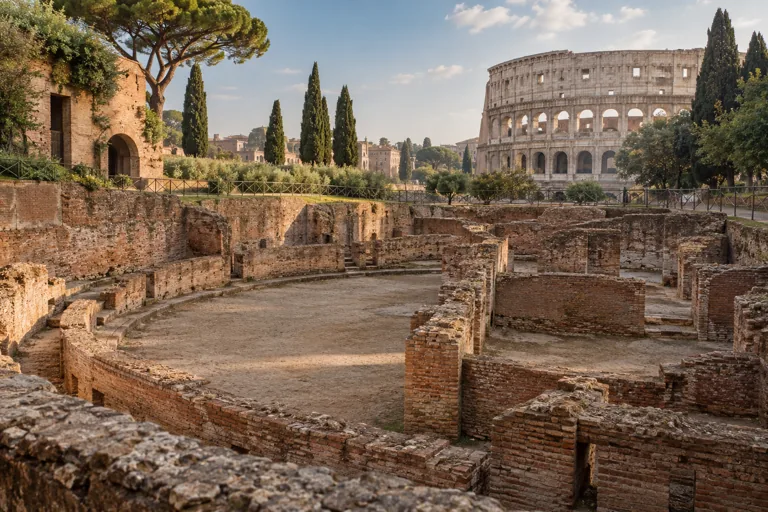
A close look at the nearby training complex and a thoughtful way to connect spectacle with the work behind it.
 History · The Roman journal
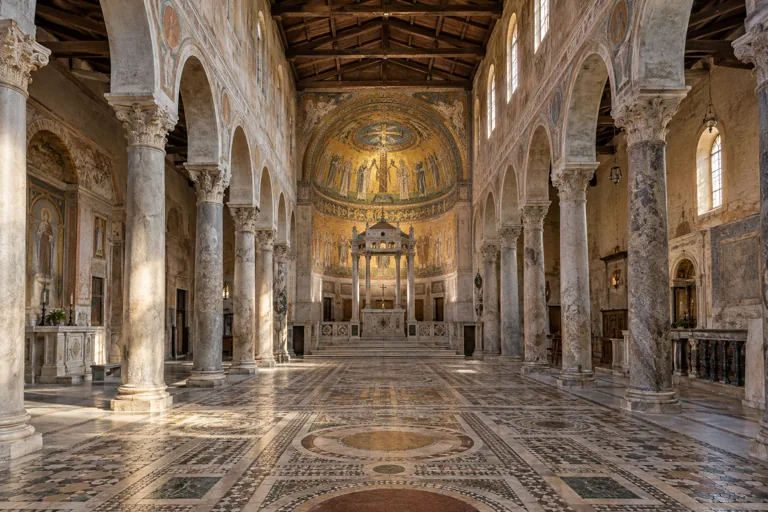
Use the nearby basilica and excavations to understand how a city grows through rebuilding, reuse, and changing ground levels.
Extraordinary places. Thoughtful guides. A day to remember.