The Colosseum story: power, public space, and a building that kept changing
The Colosseum is so familiar in photographs that it can feel strangely difficult to see. You recognize the outline before you have asked what kind of building it was, why it stood here, or how it survived. A useful way to begin is to set aside the postcard for a moment and look for three things: the use of land, the management of an audience, and the evidence of change.
This approach does not require memorizing a dynasty before breakfast. It gives you a handful of questions that turn a celebrated monument into a readable place. If you leave understanding why its location mattered and why its architecture was useful, you will have a stronger foundation than a pocketful of enormous numbers with no context.
Start with the landscape before the landmark
The archaeological park's account of the Domus Aurea explains that Nero's palace complex included an artificial lake in the valley where the Colosseum now stands. That single fact changes the view. This was not empty land waiting for a famous building: it already carried the memory of imperial power and an earlier arrangement of the city.
As an interpretive exercise, compare the ideas of a ruler's residence and a place for public spectacle. Both can display authority, but they address people differently. You need not imagine that providing entertainment made Roman society equal or that a public building belonged to everyone in the same way. The interesting question is how architecture makes political relationships visible.
Look at the audience as carefully as the arena
Modern visitors often concentrate on what happened in the middle. Try turning around. The surrounding architecture is a machine for making people into an audience: directing movement, establishing viewpoints, and framing a shared event. Think about the relationship between an individual spectator and the mass of people assembled around the same focal point.
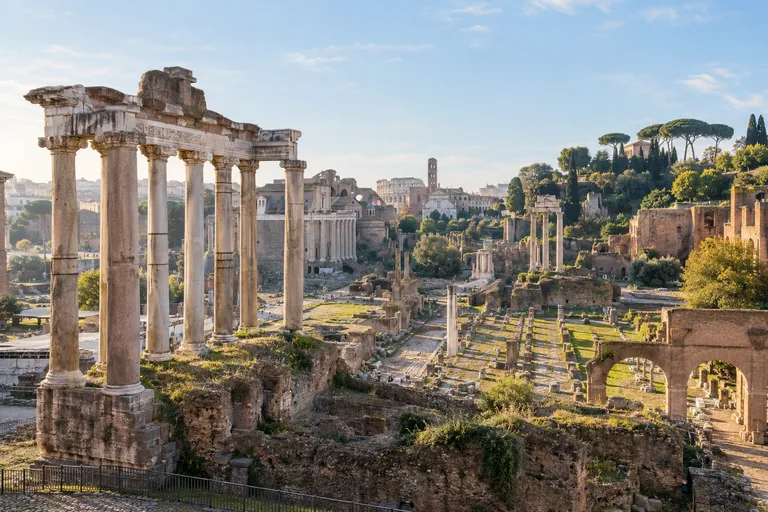
The city tourism guide identifies the monument as the Flavian Amphitheatre and places it in the wider landscape of the Forum and Palatine. Keep that wider setting in mind. The amphitheatre makes more sense when you also consider the nearby spaces associated with government, religious activity, and imperial residence, rather than isolating it as a single remarkable object.
Take the violence seriously without making it the whole story
The Colosseum's association with gladiatorial spectacles is inseparable from the building's modern fame. Yet a responsible visit should avoid treating ancient suffering as a decorative thrill. Ask what an account is based on, whether it describes this particular amphitheatre or Roman spectacles more broadly, and how certain the guide is about the detail being presented.
Popular films can supply a vivid image, but an image is not evidence. Be especially careful with claims that make every event identical or every participant's experience the same. The more useful historical habit is to notice distinctions: time period, type of performance, legal status, source, and the limits of what survives. Curiosity becomes more interesting when it leaves room for uncertainty.
Read the surviving building as a sequence
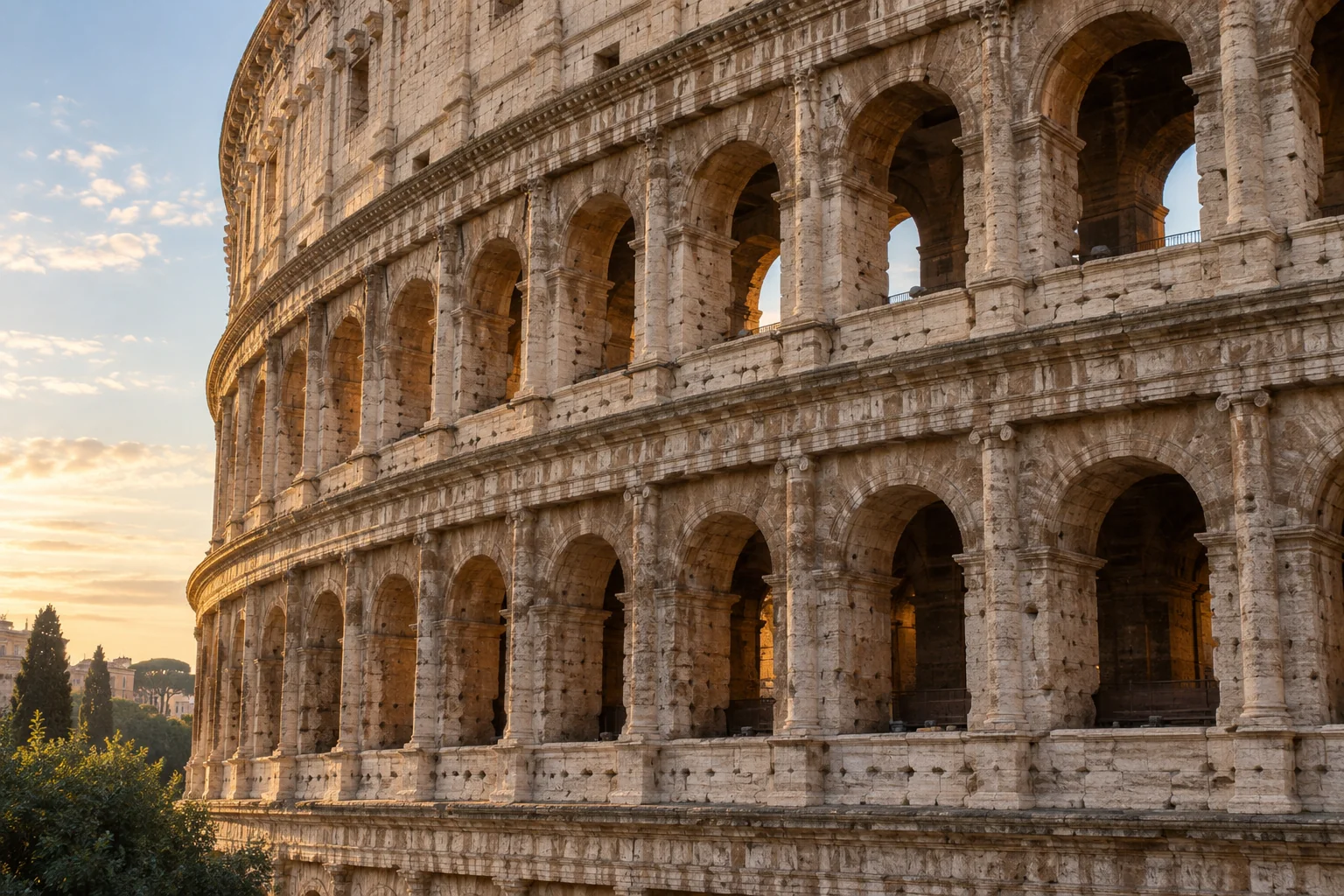
What you see today is neither a complete ancient amphitheatre nor a simple absence of one. Stand where the outline changes and observe different materials, joints, supports, and breaks. Some features will need an expert explanation; others will simply show you that a long-lived building accumulates interventions. Do not assume every visible surface belongs to one original moment.
Ask a guide to identify one ancient element, one later alteration, and one conservation decision. This small exercise is often more memorable than a rapid tour through every date. It also encourages respect for the work that makes the structure visitable. Surviving monuments are maintained places, and the paths available to visitors reflect practical decisions as well as historical remains.
Extend the story beyond the ticket
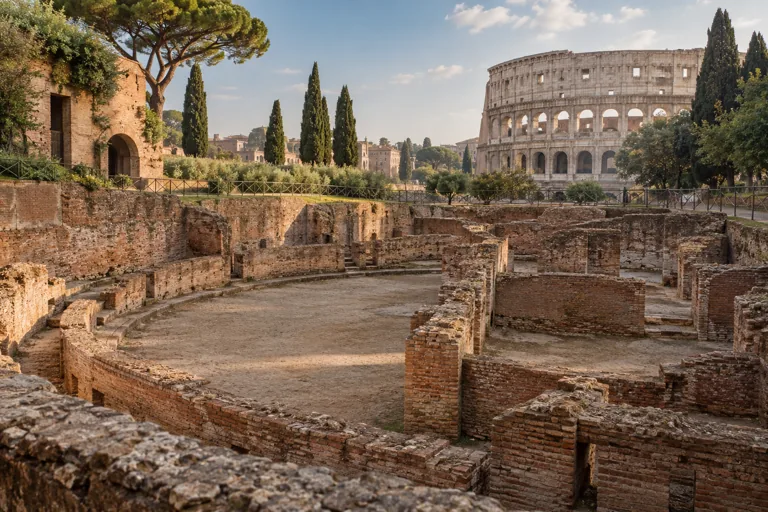
Pair this introduction with the Ludus Magnus looking guide to consider the supporting spaces around a spectacle, or with our Roman Forum guide to compare different forms of public life. The contrast helps keep “ancient Rome” from becoming one undifferentiated collection of columns and emperors.
If you want a guide to develop these questions, browse history experiences and look for reviews that mention clear interpretation and thoughtful answers. Choose a visit that allows time to observe. The Colosseum does not need invented drama: the changing relationship between land, power, people, and a surviving building is already an extraordinary story.
Sources & further reading
Turn a good read into a great day.
Find a highly rated Roman experience that brings these stories to life.
Explore related experiences →