How do you make a Colosseum visit interesting for children?
A successful Colosseum visit with children begins with a modest goal: help them notice a few things and enjoy asking questions. It does not require delivering the entire history of the Roman Empire before lunch. Choose a visit length that suits your family, explain the basic plan, and leave enough flexibility for the needs that do not appear in an itinerary.
Children differ enormously in interests, attention, mobility, and comfort with crowds. Use the ideas here as options rather than a universal script. A child who loves engineering may be absorbed by passages and supports; another may prefer sketching shapes or imagining the sound of a crowd. The best family plan makes room for those differences without turning the visit into compulsory entertainment.
Set one question before you arrive
Ask, “How would you design a place where many people could watch the same event?” Invite a few ideas about entrances, seats, sightlines, and toilets. Then look for evidence of how the Colosseum addressed the needs of a large audience. The activity connects an unfamiliar ancient building with a problem children can reason about for themselves.
Keep the question open. You do not need to correct every imaginative suggestion immediately. Once inside, distinguish what you can actually see from what you are guessing. “That is an interesting idea; let's ask the guide” models historical thinking much better than pretending that adults already know everything. It also gives children a meaningful reason to listen to an explanation.
Try the arch detective game
Choose one visible arch and ask what lies above, below, and beside it. Then compare it with another. Are they the same size? Do they lead somewhere? How does repetition change the appearance of the building? This is a looking exercise, not an invitation to climb, touch fragile surfaces, or leave the permitted path.
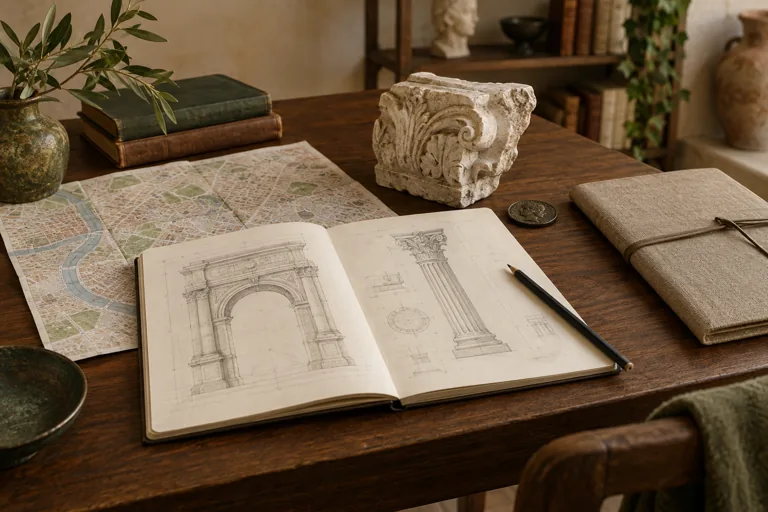
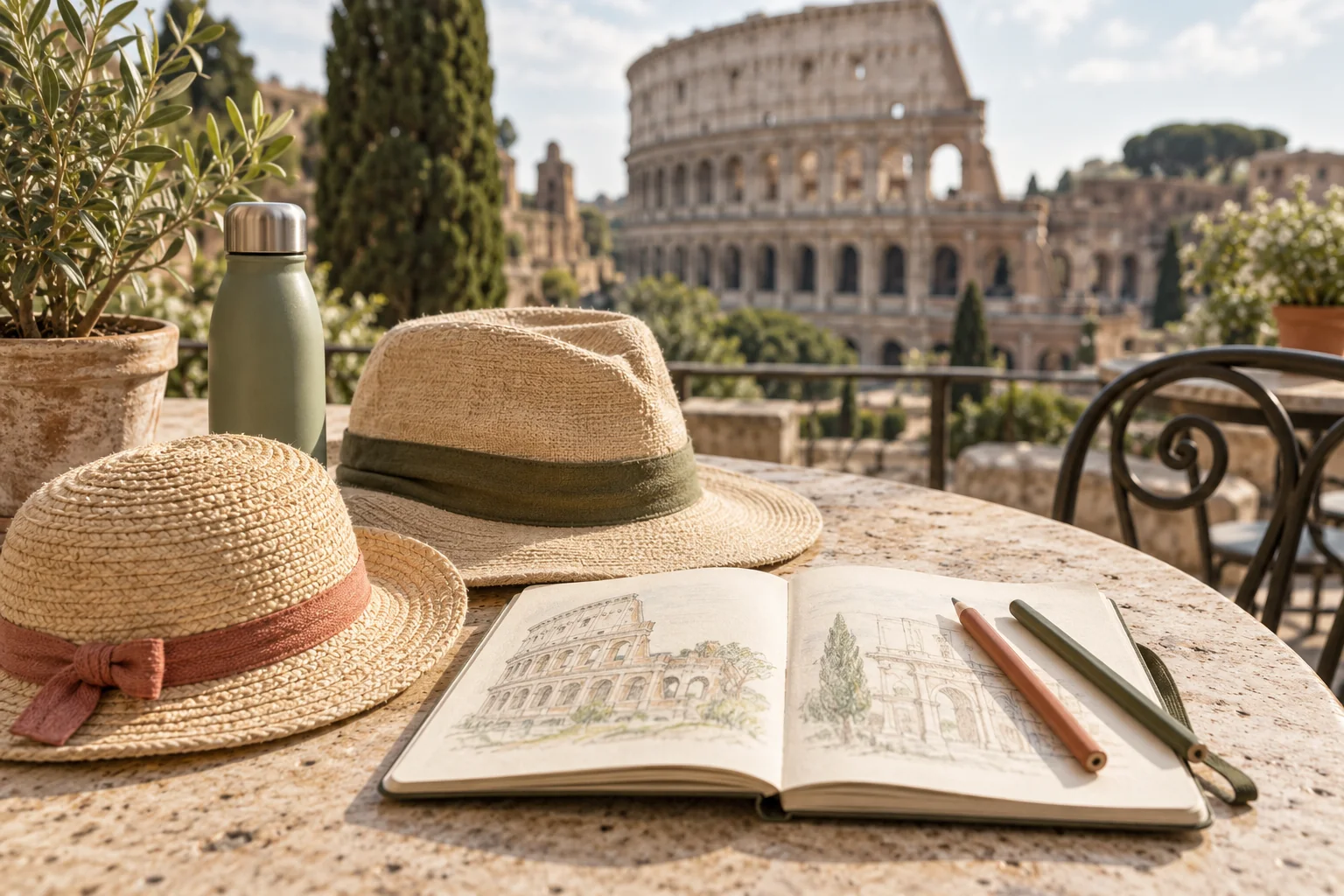
For children who like drawing, a quick sketch can be more engaging than another photograph. Give them a small frame on the page and invite them to record one shape rather than the whole monument. The result need not be accurate enough for an architect. The point is to slow the eyes down and make one detail their own.
Separate history from film
The Colosseum's violent spectacles can raise difficult questions. Answer in a way suited to the child's age and interest, keeping the distinction between history and movie invention clear. Avoid graphic embellishment and sweeping claims about every participant or event. It is possible to acknowledge suffering while also studying the building's architecture and the society that used it.
Our historical introduction provides a starting point for adults. If a child is especially curious about preparation and supporting spaces, the nearby Ludus Magnus can extend the conversation. Add that stop only if energy remains; interest is more valuable than completion.
Plan the unglamorous essentials
Know where your group meets, how long the route lasts, and what happens if someone needs a pause. Consult the park's services information for current facilities and relevant family support. Check the rules for bags, food, water, and strollers attached to your visit. Do not assume all routes and special-access areas have the same practical conditions.
Build food and rest into the day before fatigue makes those decisions urgent. Our lunch guide can help you choose between a quick stop and a slower meal. A comfortable afternoon with one fewer monument usually produces better memories than a technically complete itinerary that nobody enjoyed finishing.
Choose a guide by the actual family experience
If booking a family-oriented tour, look for specific evidence about age suitability, pacing, interaction, and the maximum group size. Read recent reviews from families with children of similar ages. Confirm what the operator means by “family friendly”; the label alone does not tell you whether the content or route fits your group.
Browse Plan Your Day experiences and compare the written details before purchasing. At the end of the visit, ask each child for one discovery and one unanswered question. They may remember a staircase rather than an emperor, or a tiny architectural detail rather than the grand view. That is not a failed history lesson. It is the beginning of having their own relationship with the past.
Sources & further reading
Turn a good read into a great day.
Find a highly rated Roman experience that brings these stories to life.
Explore related experiences →