The Appian Way: planning a half-day beyond the Colosseum
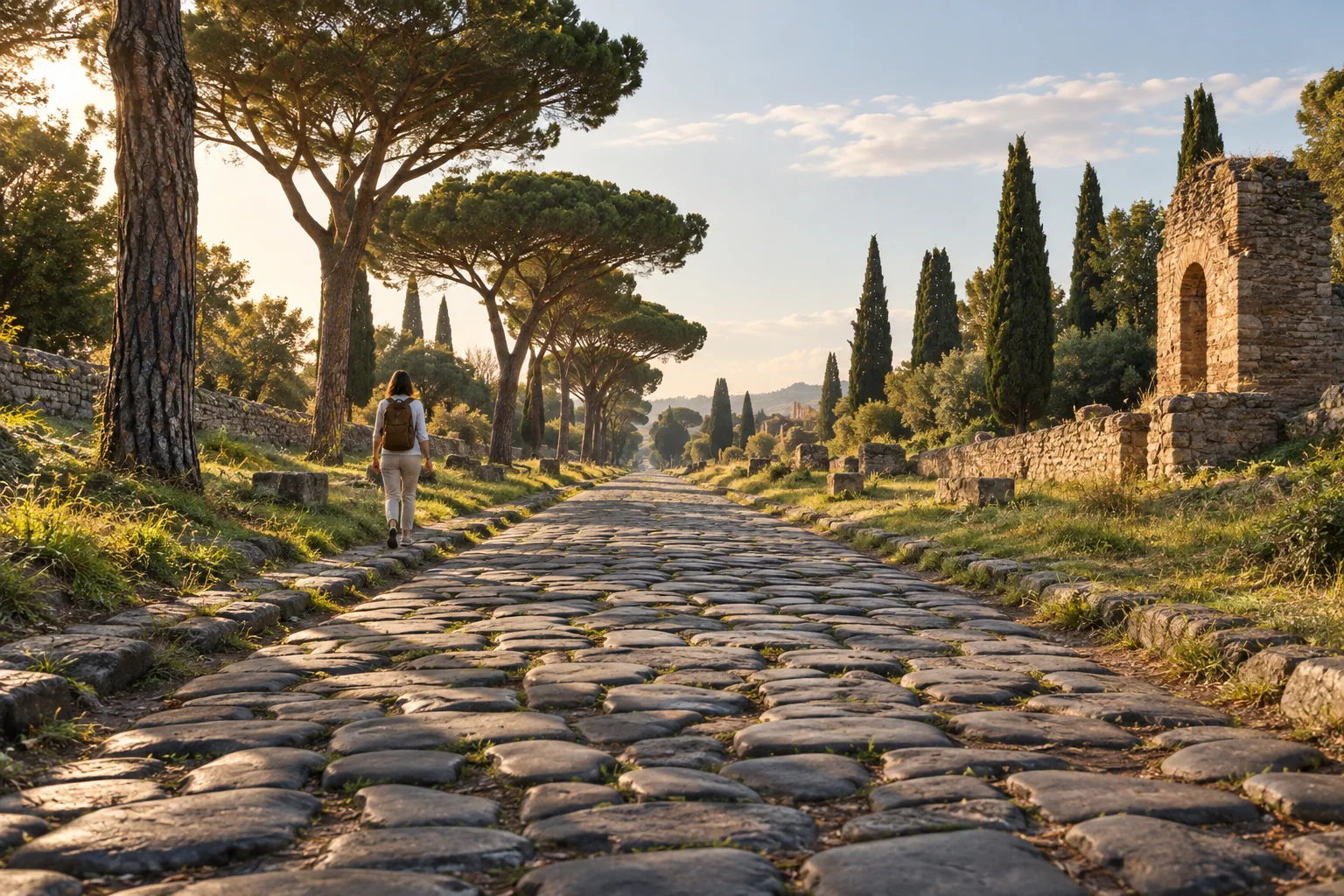
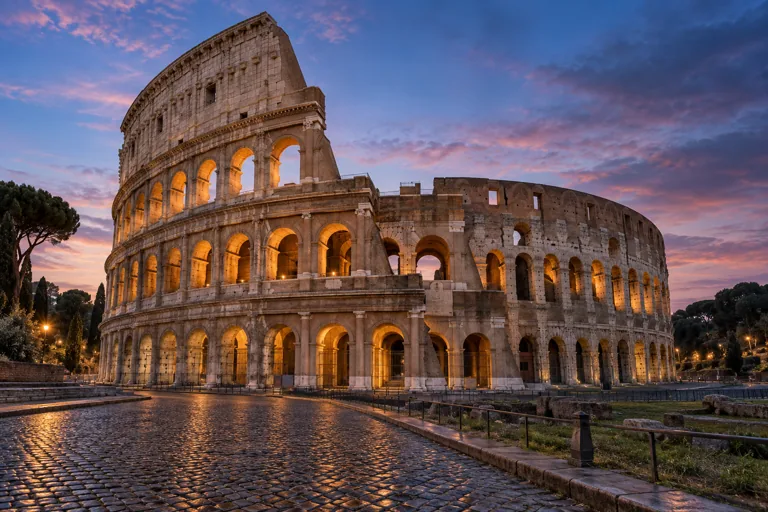
After visiting the Colosseum, you may want to understand how Rome connected with the world beyond its monumental centre. The Appian Way offers a different scale of experience: a road, a landscape, and a sequence of places encountered through movement. Plan a manageable section rather than treating the name on the map as one small attraction with a single front door.
A half-day can work well if you choose the starting point, route, and return journey carefully. It is not a promise that every famous site along the road will fit. The outing becomes more enjoyable when you decide whether your main interest is walking, cycling, a particular monument, or a guided introduction, then build the logistics around that choice.
Understand what you are setting out to see
The city's Appian Way itinerary traces the road's beginning to 312 BCE and explains its initial route toward Capua and later extensions. That history gives you a useful change of perspective after the Colosseum: from a place where people assembled to a route along which people and goods could move.
Use that idea as a question for the visit. How does a road organize a landscape? What makes a stopping place important? How do surviving monuments relate to the route? You do not need to walk a great distance to begin thinking about those relationships. A short, well-chosen stretch can be more informative than an ambitious distance covered without time to look.
Choose the section before the transport
Find the precise area you want to explore, then determine how to reach it and return. The Appian Way and its parks cover a broad area; entering a general name into a route planner may not take you to your intended experience. Use the regional park's official access information to identify useful starting points.
Check current public transport information or confirm the meeting point for a guided tour. Include the time needed to reach that point from your accommodation. A tour described as “from Rome” may still require you to travel independently to a particular neighborhood. At the other end, establish whether the itinerary returns you to the start or finishes somewhere else.
Decide honestly between walking and cycling
Walking gives you control over pace and encourages close observation, but distance and surfaces matter. Cycling can cover more ground, yet it adds questions about confidence, traffic, equipment, terrain, and the handling of the bicycle. An electric bicycle changes effort; it does not remove the need to ride safely or comfortably in the conditions described.
Read the route requirements and ask the operator about the actual surfaces and road sections. The regional park's Appian Way route guidance discusses safer routing through parts of the area. Do not assume the entire outing is traffic-free because photographs show a peaceful ancient road. Choose a format that suits the least confident member of your group.
Give one stop proper attention
If a tomb, villa, catacomb, or museum is central to your plan, check that site's own opening and admission arrangements. The road and the places along it do not share one universal ticket or schedule. A guided product may mention a landmark as a passing sight rather than an included interior visit, so read the distinction carefully.
One well-understood stop can anchor the whole outing. Before entering, ask what you most want to learn. Afterward, connect the site back to the road and surrounding landscape. This is the same method used in our Forum guide: move between a particular feature and the larger system in which it belongs.
Keep the half-day comfortable
Account for weather, water, rest opportunities, footwear, and the return journey. Bring what your chosen activity requires, and follow current venue and operator rules. If you already have a demanding Colosseum visit planned, consider giving the Appian Way another day rather than attaching it to an exhausted afternoon. The difference in pace deserves to be enjoyed.
Compare walking and guided experiences, and use our first-day framework to avoid overloading the schedule. The reward is a broader idea of ancient Rome: not only monuments at the centre, but connections reaching outward. A road can be as thought-provoking as an arena when you leave yourself enough time to follow its questions.
Sources & further reading
Turn a good read into a great day.
Find a highly rated Roman experience that brings these stories to life.
Explore related experiences →