A three-stop walk from the Colosseum toward the Capitoline
The walk from the Colosseum toward the Capitoline is a useful antidote to monument collecting. Instead of squeezing another large attraction into the day, you can connect three different ways Rome presents its past: an amphitheatre seen from outside, archaeological spaces viewed from the modern street, and a civic square shaped to be approached and admired. Each stop asks for a different kind of attention. None requires you to finish a checklist before you are allowed a rest.
Treat this as a flexible public-street route, not a shortcut through the ticketed archaeological areas. Allow more time than a map’s walking estimate, and check local barriers and crossings as you go. Our first-day plan around the Colosseum explains why a generous gap after a timed visit often makes the rest of the day better.
First stop: let the Colosseum become a whole building
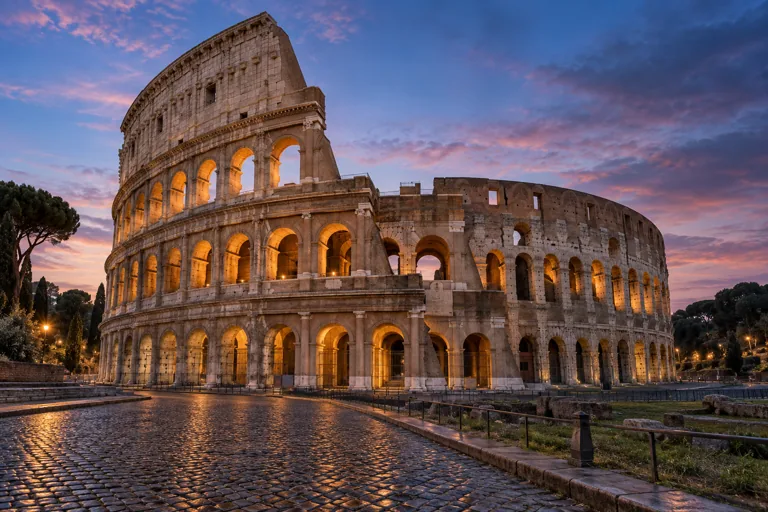
If you have just visited the interior, move away from the entrance flow before stopping. From a permitted public viewpoint, compare the surviving outer wall with the building’s lower, more open profile elsewhere. Look for the rhythm of repeated arches rather than trying to photograph every arch separately. Think about the difference between the small scale of a person entering and the large scale of the enclosing structure.
There is no need to walk a full circuit if heat, crowds or tired feet make that unappealing. One stable view can do the job. If you are meeting a guide or companion, agree on an exact location and time instead of “outside the Colosseum.” The Park’s official arrival information helps distinguish its entrances and the surrounding transport approaches; your actual tour meeting point remains the one on your booking instructions.
Second stop: the ancient city beside the modern street
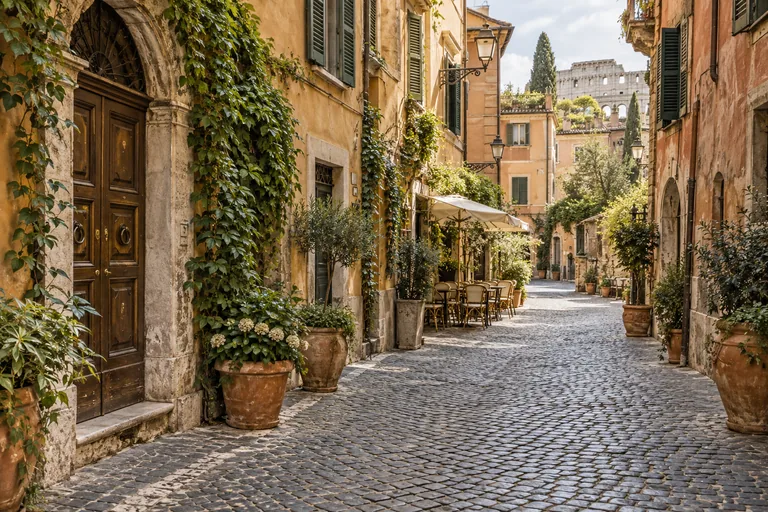
Continue toward the Capitoline along the public pedestrian route beside Via dei Fori Imperiali, following current signed crossings and diversions. Choose a safe place where stopping does not block the pavement. Look into the archaeological spaces and try to separate walls, columns and ground levels before identifying individual monuments. The modern street gives you an overview, but a distant view cannot replace the detail of a visit inside.
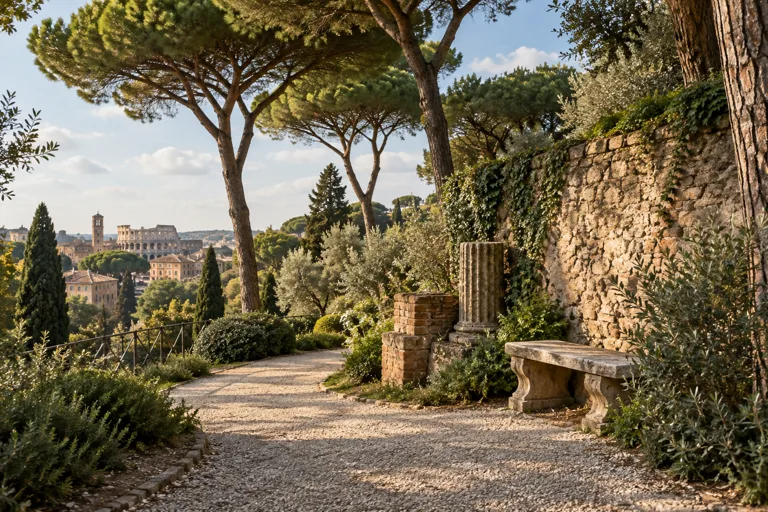
Our guide to making sense of the Roman Forum is useful here. Ask which spaces look enclosed and which suggest movement or gathering. Pick one feature and read about that, rather than making every visible ruin compete for attention. This is also a good place to notice how your viewpoint changes the story: a whole site becomes legible from above, while individual surfaces and smaller objects disappear.
Do not plan this walk around an assumed internal connection between archaeological sites. The Park’s Imperial Fora notice posted in February 2026 describes a closure affecting that connection. Check current official notices before relying on any ticketed passage. Staying on the public street keeps this suggested walk independent of a particular admission product, although ordinary street works can still change the approach.
Third stop: approach the Capitoline as a designed space
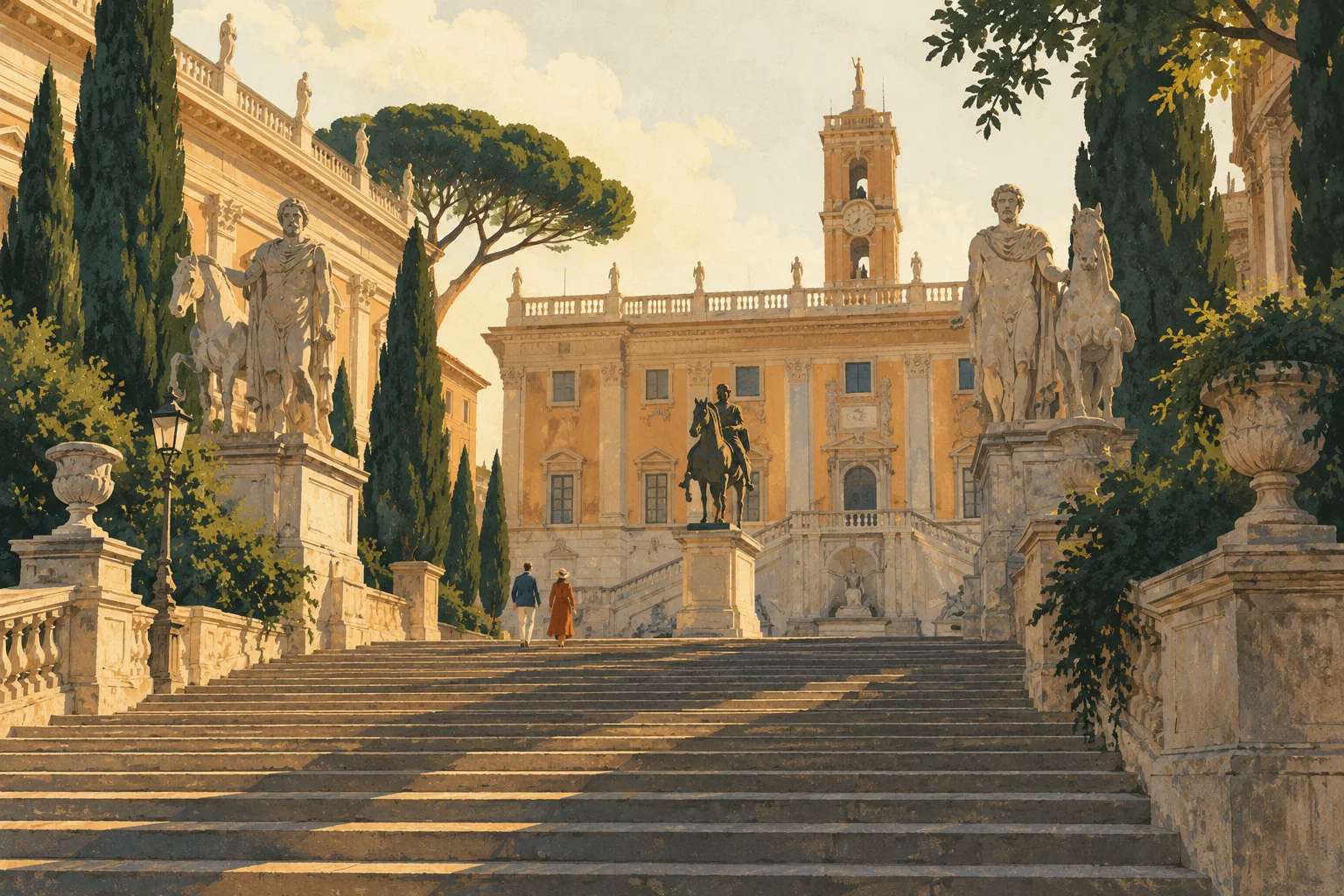
Toward Piazza Venezia, use the current public route toward Via del Teatro di Marcello and the Capitoline approach. Check your map before the final turn rather than crossing traffic to chase a view. The broad cordonata leads toward Piazza del Campidoglio; it is still an ascent, and visitors who need a route without steps should check an appropriate alternative in advance.
The city’s account of the square connects its coordinated design to Michelangelo’s commission under Pope Paul III. Look at the relationship between the central equestrian figure, the facing buildings and the space held between them. Unlike the broken archaeological outlines along the way, this is an architectural composition you can read as an ensemble. The pleasure is in the change of setting, not merely in reaching another famous name.
Choose your ending before your energy runs out
Arriving at the square does not oblige you to enter a museum. You might finish here, take a proper seated break, or make the museums the single substantial activity of the afternoon. Rome Tour Hub’s Capitoline Museums introduction helps with that decision. Check official opening and admission details before adding an interior visit; this walk does not include entry.
For a different ending on another day, keep our gentle Monti walk in reserve rather than combining both routes into a forced march. If you would enjoy someone explaining the transitions, browse the walking-tour collection and compare actual routes, meeting points and accessibility details. The most rewarding version leaves you enough attention to notice how one city can contain several very different ideas of public space.
Sources & further reading
Turn a good read into a great day.
Find a highly rated Roman experience that brings these stories to life.
Explore related experiences →