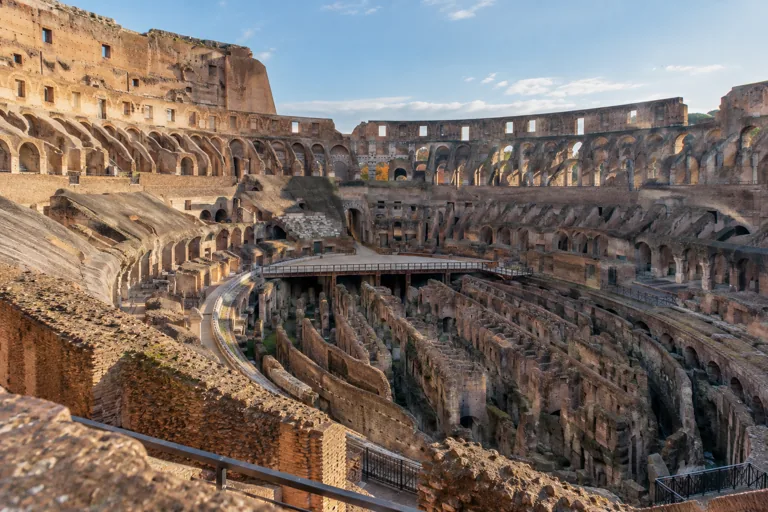
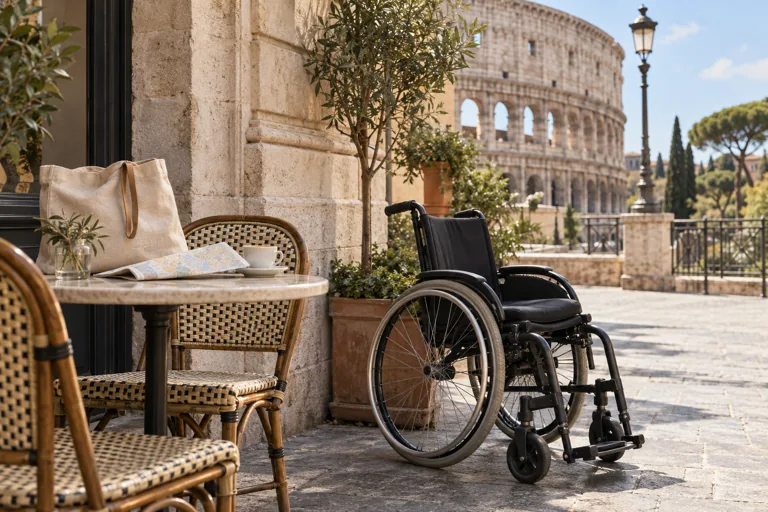
What can you do near the Colosseum when it rains?
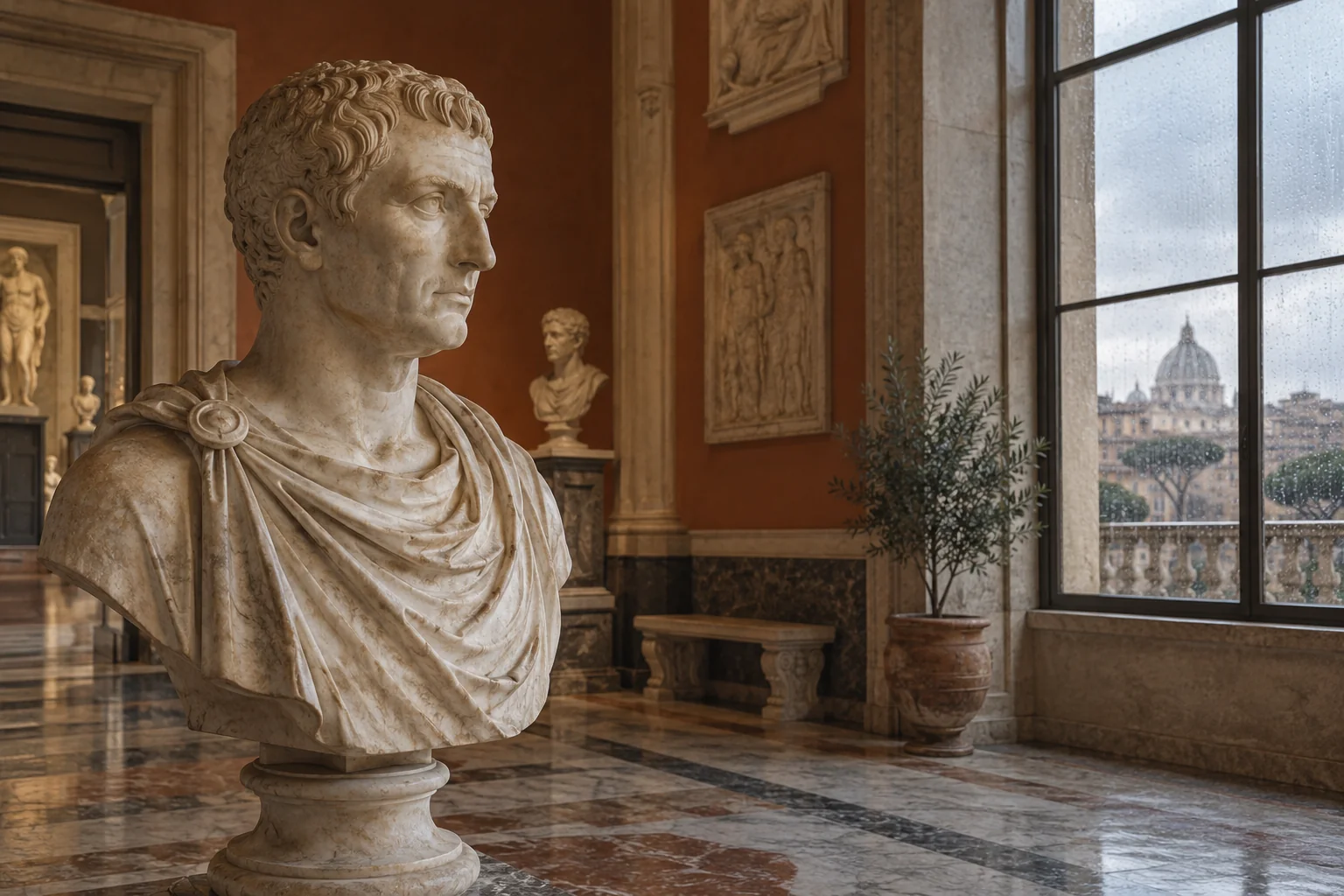
Rain does not have to turn a Rome day into a rescue operation. The most useful response is to reduce unnecessary movement and choose one indoor visit that interests you. Do not try to reproduce an outdoor itinerary under a different roof, and do not assume that a ticket can be changed simply because the forecast has become inconvenient. Check the conditions of any existing booking first.
This guide offers alternatives, not a weather guarantee. Open-air archaeological areas, covered monuments, underground spaces, and museums have different arrangements. A place described as “indoors” may still involve an exposed approach, queues, steps, or damp conditions. Current venue information and operator instructions should determine whether the option works for your day.
Begin with the appointment you already have
If you hold a timed booking, read its cancellation and weather terms and look for any message from the provider. Do not assume a tour has been cancelled because it is raining. Equally, do not ignore an official closure notice because you have a confirmation email. Contact the operator when the instructions are unclear and keep any revised arrangements in writing.
Pack according to the current rules of the venue and the practical route. A small amount of preparation can make transitions easier, but carrying more equipment is not always better. Give yourself extra time for wet surfaces, road crossings, and finding the correct entrance without rushing. The schedule should become gentler when movement becomes less comfortable.
Choose the Capitoline Museums for objects and context
The Capitoline Museums' official site is the starting point for current visiting information. The collections provide an opportunity to shift from large architectural remains to objects you can study at a different scale. Rather than attempting every room, choose a small theme: portraits, materials, public imagery, or the way an object communicates status.
One possible focus is the equestrian statue of Marcus Aurelius, described in the museum's collection entry. Look at the relationship between rider and horse, the gesture, and the impression of authority. Ask how the statue's effect differs from the architecture you saw at the Colosseum. This comparison turns a change of plan into a coherent historical day.
Consider San Clemente for a layered visit
San Clemente can provide a different kind of focus: the relationship between successive levels of a place. Our guide to its layers explains the questions worth taking with you. Check the basilica and excavation arrangements directly, and verify access requirements if steps or enclosed areas are a concern.
Treat the upper church and archaeological visit respectfully and allow time for both where appropriate. Rain should not make an active religious space feel like a waiting room. Choose the visit because the place interests you, follow its rules, and keep your expectations aligned with the actual access offered on the day.
Do not assume underground means an easy fallback
The Domus Aurea may interest visitors curious about Nero's residence and painted decoration, but it requires its own planning. The official park page provides the historical introduction and current visitor information. Confirm availability, clothing guidance, access, and the exact experience before rearranging your schedule around it.
The larger principle applies everywhere: a compelling indoor place can still have limited capacity or particular conditions. Keep two realistic alternatives rather than a long emergency list. A museum with available admission and an easy route may serve your day better than the theoretically perfect attraction that requires a complicated last-minute booking.
Let the meal and journey become simpler
Choose a meal near the visit you actually make, and allow the weather to shorten the route. Our lunch guide helps you compare a quick stop with a seated break. Avoid transferring across the city solely to preserve an earlier plan if a satisfying option is now close at hand.
Browse Rome Essentials for bookable ideas and verify current availability with the provider. A rainy day can be excellent when it has one clear centre: an object understood, a building explored, or a historical question answered. You may see fewer places, but the places you see can receive more of your attention.
Plan the next stop with the same flexibility
A flexible plan remains useful beyond Rome: choose one meaningful indoor visit and keep an alternative nearby. If your route continues through northern Italy, begin with Milan’s rainy-day guide or read Venice’s rainy-day ideas. Recheck opening information for the day you intend to visit; a plan that worked in Rome is a method, not a guarantee for the next city.
Sources & further reading
Turn a good read into a great day.
Find a highly rated Roman experience that brings these stories to life.
Explore related experiences →